Massage therapy is one of the oldest forms of physical care in human history, and its association with stress relief is as old as the practice itself. But in recent decades, a growing body of research has moved the conversation beyond anecdote and into measurable biology. We now have a reasonably clear picture of how massage affects the stress response — and the findings support what people have always known intuitively.
What Stress Does to the Body
Stress is not simply a psychological experience — it is a whole-body physiological state. When the brain perceives a threat, the sympathetic nervous system activates, releasing cortisol and adrenaline, tensing the muscles, increasing heart rate and blood pressure, and diverting resources away from digestion, immune function, and repair. This response is adaptive in acute situations. In the context of modern life — where the 'threat' is a difficult email, a financial worry, or an impossible deadline — it becomes chronic and damaging.
Chronic stress maintains the body in a state of low-level sympathetic activation. The muscles remain slightly tense. Cortisol stays elevated. Sleep quality deteriorates. The immune system functions less effectively. Over time, this creates a measurable deterioration in physical and mental health.
How Massage Intervenes in the Stress Response
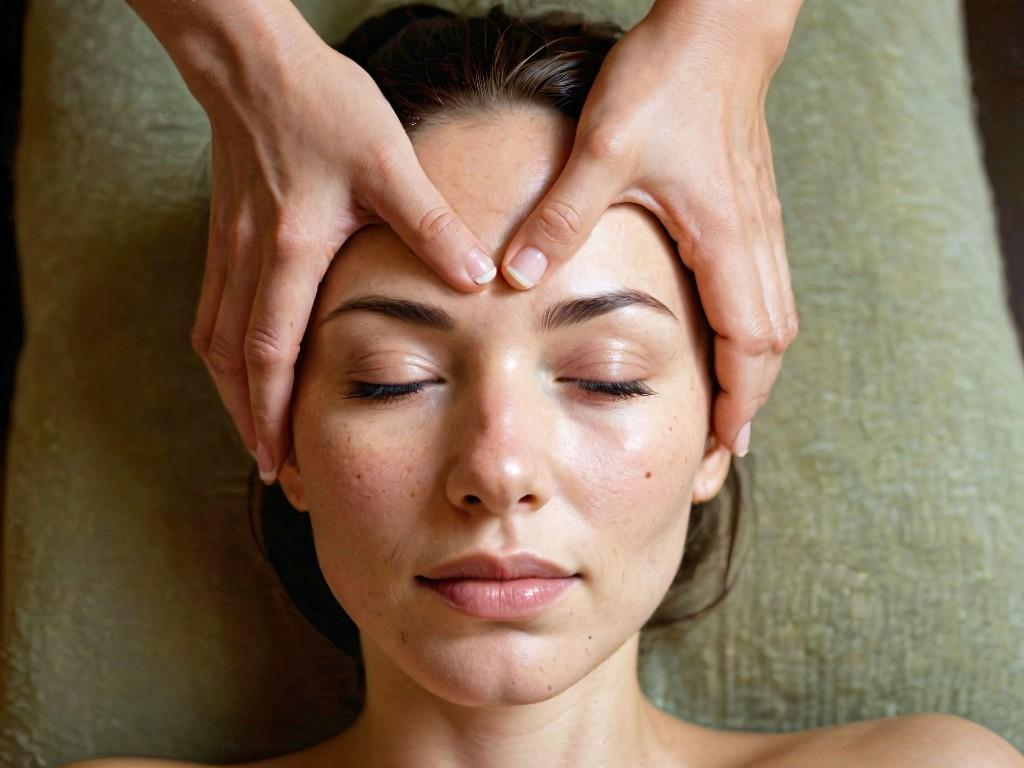
Massage therapy intervenes directly in the stress physiology. Through sustained, rhythmic physical contact, it activates the parasympathetic nervous system — the branch responsible for rest, digestion, and repair. Heart rate and blood pressure decrease. Breathing slows and deepens. Muscular tension begins to release. The body moves from a state of physiological readiness into one of genuine restoration.
At a hormonal level, research has consistently found that massage therapy reduces cortisol levels while increasing serotonin and dopamine — the neurotransmitters most closely associated with mood, calm, and emotional regulation. A single session can produce measurable changes in these markers. Regular treatment produces cumulative improvements that persist between sessions.
Massage for Anxiety Specifically
For people dealing with clinical or subclinical anxiety, massage occupies a useful therapeutic position: it addresses the physiological substrate of anxiety (muscular tension, elevated cortisol, sympathetic dominance) rather than just the cognitive dimension. Many people find that regular massage reduces the physical symptoms of anxiety — the tight chest, the tense shoulders, the shallow breathing — in ways that are difficult to achieve through cognitive approaches alone.
It is not a replacement for professional mental health support when that is indicated. But as a complementary tool, particularly for those managing low-to-moderate anxiety, regular massage has a meaningful and evidence-supported role.
The Best Treatments for Stress and Anxiety at Aurelian Massage
For stress and anxiety, treatments that prioritise nervous system downregulation alongside physical release tend to be most effective. The Deep Calm Aromatherapy Massage (60 minutes, £68) combines Swedish massage techniques with a carefully selected blend of calming essential oils — including compounds with demonstrated anxiolytic properties — making it our most targeted treatment for stress and anxiety relief.
The Ultimate Relaxation Massage (90 minutes, £90) is also highly effective: the extended duration allows the nervous system sufficient time to move into a genuinely deep state of parasympathetic activation. For those who find shorter sessions insufficient to fully switch off, the additional 30 minutes makes a meaningful qualitative difference.