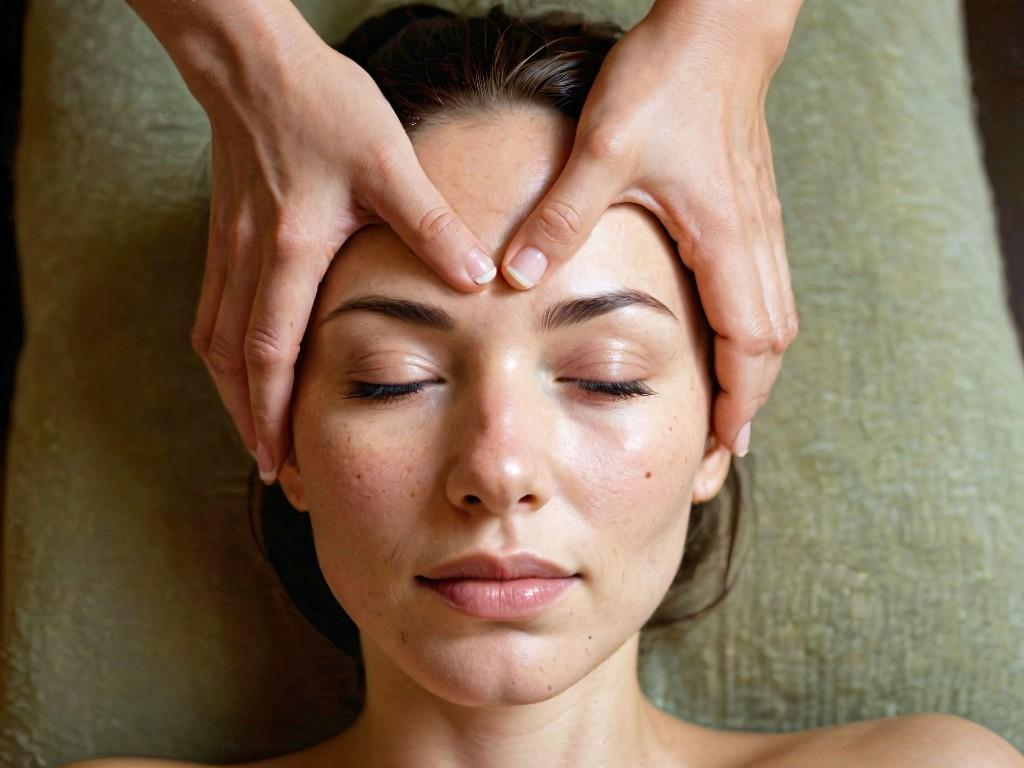
Sleep problems affect a significant proportion of the UK adult population. Whether it manifests as difficulty falling asleep, waking repeatedly through the night, or rising feeling unrefreshed despite adequate hours in bed, poor sleep has a measurable impact on physical health, mental wellbeing, and daily functioning. Most people dealing with this reach for the obvious interventions first: better sleep hygiene, limiting screen time, reducing caffeine. Massage therapy is rarely the first suggestion — but it probably should be.
How Massage Affects the Sleep System
Massage therapy influences sleep through several distinct physiological pathways. Most significantly, it activates the parasympathetic nervous system — the branch of the autonomic nervous system responsible for the body's rest-and-digest functions. When the parasympathetic system is dominant, heart rate slows, blood pressure decreases, breathing deepens, and the body moves into a state that is chemically similar to the early stages of sleep.
Massage also stimulates the release of serotonin, which is the precursor to melatonin — the hormone that governs the sleep-wake cycle. Studies in clinical populations have found that regular massage therapy increases serotonin and melatonin levels while reducing cortisol, the primary stress hormone. The net effect is a body and nervous system that are better calibrated for natural, restorative sleep.
The Role of Muscular Tension in Sleep Disruption
One of the less discussed contributors to poor sleep is the physical discomfort of chronic muscular tension. Many people who struggle to sleep are not aware of how much they are carrying in their bodies at the end of the day. The tight neck, the aching lower back, the shoulders that will not fully release — all of these create a baseline of physical discomfort that makes it harder to settle, harder to find a comfortable position, and harder to remain asleep through the night.
A well-delivered massage directly addresses this physical substrate of sleep disruption. By releasing the muscular tension that would otherwise persist through the night, it removes one of the most common and least acknowledged obstacles to restorative sleep.
The Best Treatments for Sleep Support in Bath
For sleep-related concerns, we recommend treatments that prioritise nervous system downregulation alongside physical release. The Deep Calm Aromatherapy Massage (60 minutes, £68) is our most targeted treatment for sleep support — the essential oil blend is specifically chosen for its sleep-promoting properties, and the slow, flowing techniques are calibrated to move the nervous system into a deeply relaxed state by the end of the session.
The Ultimate Relaxation Massage (90 minutes, £90) is also highly effective for sleep-related concerns. The extended duration allows the nervous system to genuinely downregulate across the full hour and a half, creating a depth of relaxation that a shorter session cannot fully reach. Many clients who book this treatment report sleeping unusually deeply on the night following their session.
- Book your massage for the late afternoon or early evening to align the post-massage relaxation state with your natural sleep window.
- Avoid caffeine for several hours after your treatment.
- Keep your evening quiet after a longer session — resist the urge to check emails or engage with stimulating content.
- Drink water and consider a calming herbal tea before bed.
- Regular monthly or fortnightly sessions produce more consistent sleep improvements than occasional treatments.